Nutrition
What you feed ≤ how you feed.
Notes from Rashmii's notebook on why food is medicine for dogs, and the feeding habits that matter as much as what's in the bowl.
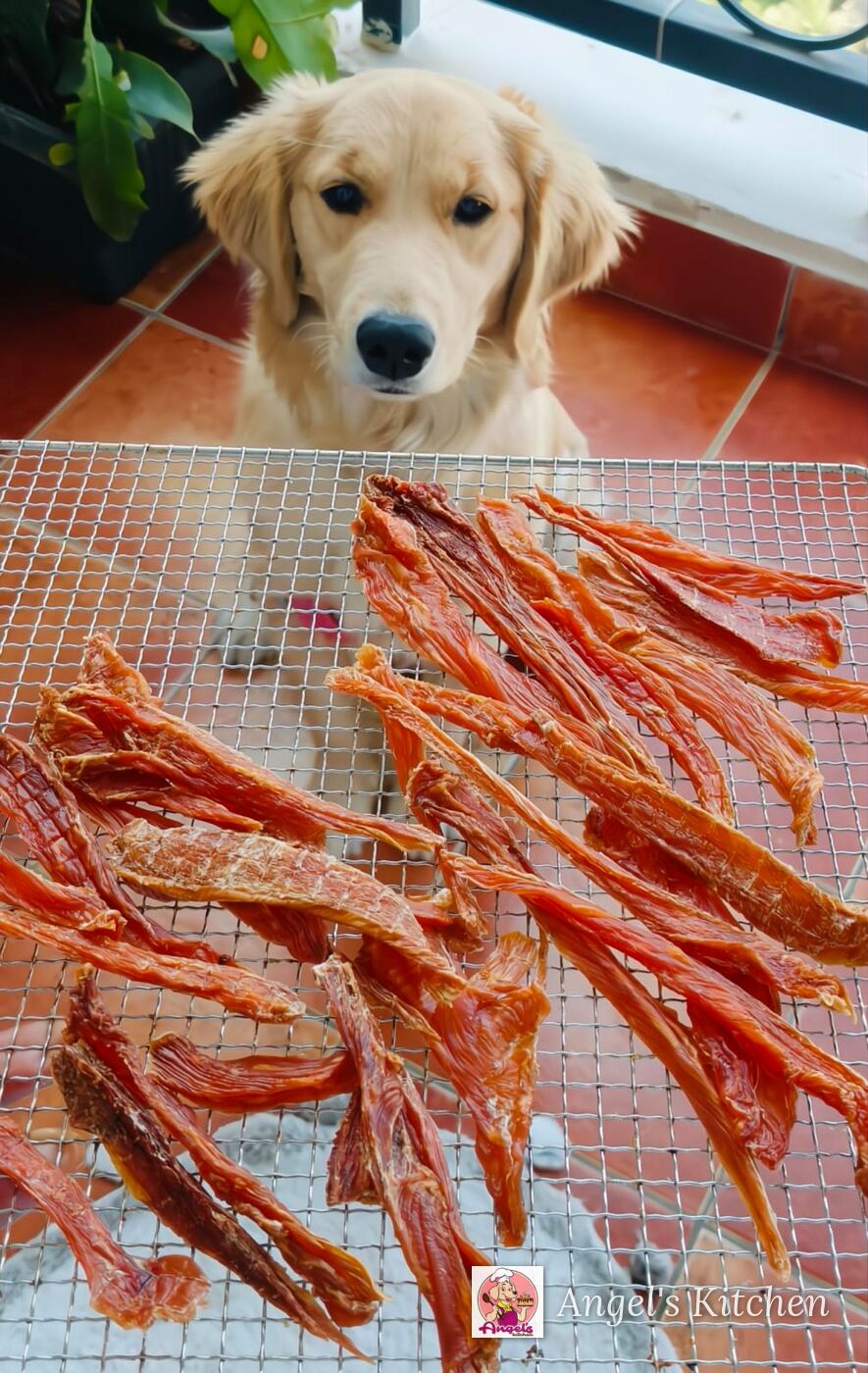
"Food is the medicine for your dogs. Mother nature has enough to heal all." That line opens my notebook, and it's the idea behind everything we cook.
A dog is not a small human
Dogs have 42 teeth, classed as carnivore, with sharp and pointed ones for ripping and crushing flesh and bones. We have 32, with molars for grinding and crunching plants. A dog's nose holds 220 to 300 million scent cells; ours holds about 5 million.
Food needs to have smell, and the industry exploits that. We don't. No tricks.
What food means to us, and to them
For us, food can mean being hungry, health, snacking, enjoying, weekend mode, feeling emotional, being bored or binge watching. For a dog, food means something simpler: it is earned, it is a reward, and the food giver is to be respected. Food should be regulated.
Two habits to start today
- Never leave the food in the bowl for them to eat when they feel hungry.
- Schedule the breakfast and dinner, at the same times each day.
Where nutrition should focus
When we plan a dog's food, we look at four things: a healthy gut, strong bones, a healthy, shiny fur coat, and staying tick and flea free.
A body can go many years missing out on essential nutrients, only showing signs of illness as it ages. This is exactly why, even when dogs are young and strong, we must make sure they get optimum nutrition. A good diet can prevent many canine health problems from ever appearing. And yet you are rarely asked by a veterinarian what your dog eats.
Want to go deeper? Our 3-day course, The Ultimate Doggie Bowl, covers the right diet for your dog, how to feed at every age, and how to build a balanced bowl at home.
Rashmii