
Ingredients
No sugar. No salt. No preservatives.
What we leave out of every cake and treat, what we use instead, and the foods that never enter our kitchen.
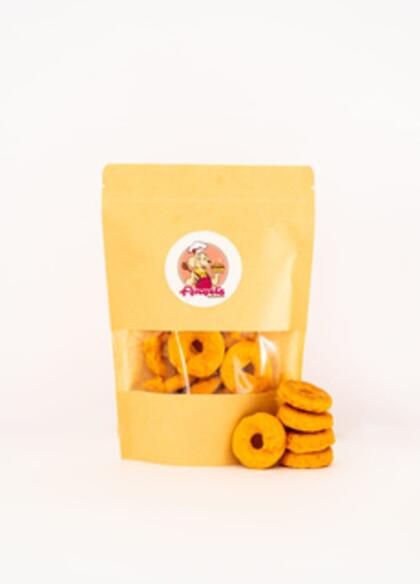
Our kitchen has one strict rule: no added sugar, no added salt and no preservatives, in anything we make. It's printed on our pamphlet and it's the first thing we tell new pet parents. Here's why it matters, and what we do instead.
Why we leave them out
Dogs don't need added sugar or salt to enjoy their food. A good diet already gives them what they need, so extra sugar and salt only add calories and load to a small body. Preservatives let food sit on a shelf for months. We'd rather bake fresh and tell you exactly how long each item keeps.
Foods that never enter our kitchen
Some everyday human foods are dangerous for dogs, even in small amounts. We never use them:
- Chocolate and cocoa, which contain theobromine, a stimulant dogs can't process well.
- Xylitol, a sweetener found in some "sugar-free" foods. It can cause a dangerous drop in a dog's blood sugar.
- Grapes and raisins, which have been linked to kidney damage in dogs.
- Onion and garlic, which can harm a dog's red blood cells.
If your dog eats any of these, call your vet straight away, even if they seem fine.
What we use instead
Sweetness comes from real food like banana, apple, carrot, pumpkin and blueberries. Where a recipe wants a chocolate look, we use carob, which is safe for dogs. Our meats are fresh, locally sourced and farm-based. Our wellness treats are grain-free, dairy-free and made from human-grade ingredients.
What this means for you
Fresh food doesn't last forever. Every item on our menu lists how long it keeps, and cakes are best within two days in the fridge. That's the trade-off for food that's honest about what's in it.
Rashmii